University Place Water Damage Restoration | Lincoln, NE
Water Damage Lincoln NE provides 24/7 emergency water damage restoration for University Place homeowners and landlords — water extraction, structural drying, sewage cleanup, and mold prevention for flooded basements near Nebraska Wesleyan and UNL East Campus. Call +1 (402) 227-8606. We typically arrive within the hour.
24/7 emergency response across Lincoln & Lancaster County
University Place runs along the 48th Street corridor between Leighton Avenue and Adams Street — a college-edge neighborhood anchored by Nebraska Wesleyan University and minutes from UNL’s East Campus. Annexed in 1926, it mixes longtime owners with student rentals. Deadmans Run drains its 9.6-square-mile watershed through the East Campus area south of here — and when that system surcharges, University Place basements feel it first.
Why University Place Basements Flood
University Place basements flood from three main sources: intense storms overwhelming Deadmans Run and storm drains, sump pump failures during Lincoln Electric System outages, and aging foundation walls in pre-1960 homes letting groundwater seep in. The October 2026 record flood — 6.15 inches at Lincoln Airport (NWS) — sent water into basements across northeast Lincoln.
Start with the housing stock. Much of University Place was built between the 1920s and 1960s, and those older foundations weren’t designed for today’s cloudburst storms. Lincoln’s clay soils hold water against foundation walls, so hydrostatic pressure pushes groundwater through cracks and the cove joint — a basement dry for decades can start weeping after one record storm.
Then add the watershed. Deadmans Run’s 9.6-square-mile drainage runs through UNL’s East Campus just south of the neighborhood, and its storm drains back up fast — during the October 2026 flood, creek water pushed back into low basements, the “back flooding” Lincoln Fire & Rescue warns about. Most University Place basements also depend on a sump pump that dies when storms knock out power — Lincoln Electric System logged more than 52,500 customer outages across 2025 storms. See our flooded basement restoration guide.
~$3,860
National avg restoration
Angi 2026, not a Lincoln quote
$1,383-$6,384
Typical job range
Angi 2026 national benchmark
$3.50-$7.50/sq ft
Clean water to sewage
Per-sq-ft benchmarks by category, Angi 2026
Renters, Landlords, and Flooded Basements in University Place
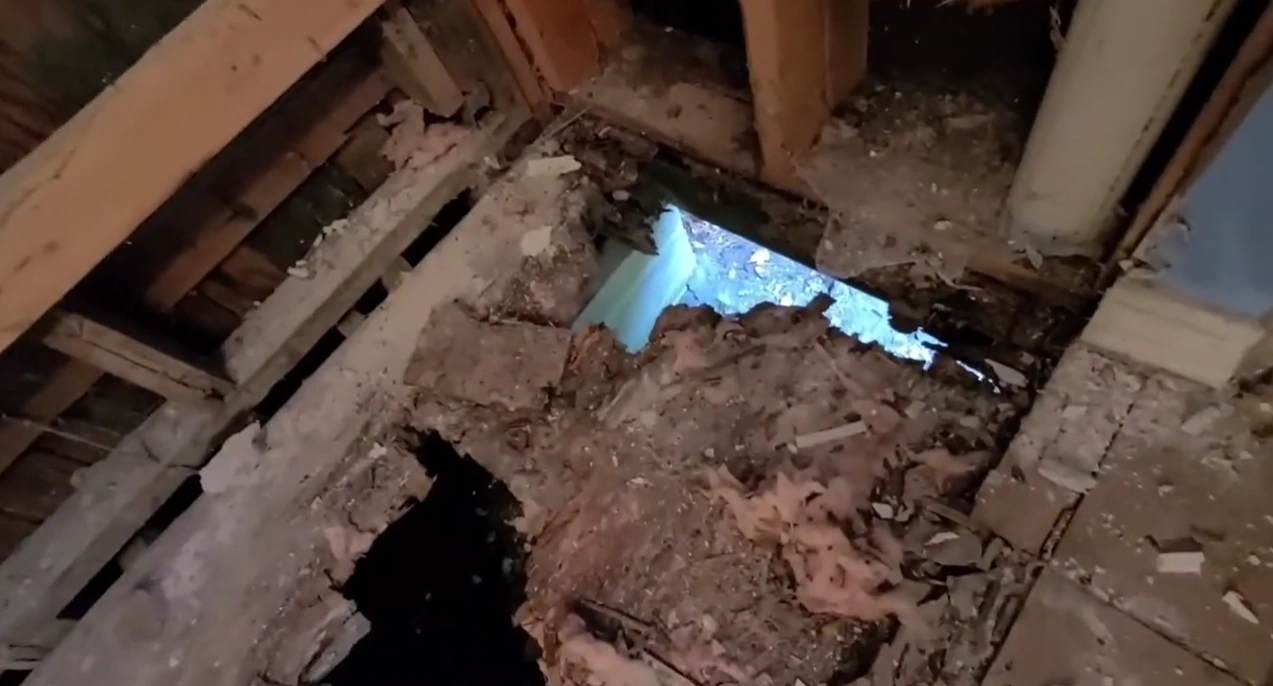
When a University Place rental basement floods, the landlord is generally responsible for structural repairs and drying, while tenants handle their own belongings unless the lease says otherwise. Responsibility for the water itself depends on the cause. Either way, call +1 (402) 227-8606 fast — waiting invites mold within 24–48 hours (EPA).
University Place’s college-edge rental mix makes this question come up constantly. Nebraska Wesleyan students and young professionals rent many older homes along the 48th Street corridor, so the first person to see a flooded basement is usually a tenant — while the landlord may live across town. Nebraska’s implied warranty of habitability puts structural repairs and drying on the landlord; damaged belongings are the tenant’s loss unless the lease says otherwise. Disputes live in the gray area — a musty smell never reported, a sump pump known to be dead — and documentation decides outcomes: timestamped photos, written notice, a professional moisture report. See our renters and landlords guide. Tenants: notify your landlord in writing the same day; landlords: start extraction and drying immediately.
What We Do When You Call
When you call Water Damage Lincoln NE at +1 (402) 227-8606, we triage by phone, dispatch a crew — typically on-site within the hour — then extract standing water, map moisture inside walls, and dry structure with commercial air movers and dehumidifiers. You get a written scope before work starts.
Our crew arrives with truck-mounted extraction and moisture meters to find all the water, visible or hidden. For sewage backups (Category 3 “black water” through floor drains), we run full contamination protocols — extraction, disinfection, safe disposal. Then air movers and dehumidifiers dry the structure over 3–5 days, with daily moisture readings until materials hit dry standard. Reach us anytime — the phone is answered around the clock, and as a registered Nebraska contractor we document everything your insurance claim needs.
Water Damage Can't Wait
Every hour you wait, the damage spreads. Call now and get a straight answer about timing and next steps.
Preventing Basement Flooding in University Place
The best prevention for University Place homes: a primary sump pump plus battery backup (outages kill pumps mid-storm), a high-water alarm, clean gutters discharging 6+ feet from the foundation, and grading that slopes away from the house. Note: discharging sump water into Lincoln’s sanitary sewer is illegal — route it to the storm system or yard.
The highest-value upgrade is a sump pump with a battery backup and a high-water alarm. Pumps fail from power loss, float-switch jams, and old age — the backup covers the first, the alarm covers the other two. After October 2026, the northeast Lincoln basements that stayed dry were overwhelmingly the ones with backup power. Outside, keep gutters clean and extend downspouts six feet from the foundation — roof water at the wall is the top preventable cause of seepage. See our basement flooding resource and the Lincoln neighborhoods we serve.
University Place Water Damage FAQs
Below are the questions University Place homeowners and landlords ask us most about flooded basements, sump pump failures, and repair costs — answered straight. For anything else, call Water Damage Lincoln NE at +1 (402) 227-8606 — we answer 24/7.
Water in basement
Seeing water in your University Place basement? First kill power to the area at the breaker, then stop the source — shut the main valve for a burst pipe, check whether your sump pump has power. Don’t wade in if sewage or wiring is involved. Then call +1 (402) 227-8606 for emergency extraction; mold starts within 24–48 hours (EPA).
Who pays when a Lincoln rental basement floods — landlord or tenant?
Generally, the landlord covers the building — drying, repairs, damaged structure — and must provide habitable premises; the tenant covers personal belongings unless the lease assigns otherwise. If tenant negligence caused it (e.g., a known leak unreported), liability can shift. Document everything with photos either way, and check our renters-and-landlords guide.
Will my basement flood if the sump pump fails?
Often yes — especially during the heavy storms that knock out power. Most University Place basements sit below the water table and rely on the pump to keep groundwater out; when it dies mid-storm, water can rise inches per hour. A battery backup plus a high-water alarm is the fix. Call +1 (402) 227-8606 if yours failed.
What is the best way to prevent water damage in my basement during heavy rainfall, and should I consider installing a basement flood pump?
Yes — a sump pump (what most people mean by a “flood pump”) with a battery backup is the single best defense, paired with a high-water alarm. Add clean gutters discharging away from the foundation, grading that slopes outward, and sealed foundation cracks. After the October 2026 flood, northeast Lincoln basements without backup pumps were the ones that filled.
How much does it cost to fix a flooded basement?
Nationally, water damage restoration averages ~$3,860, ranging $1,383–$6,384 (Angi, 2026 — national benchmark, not a Lincoln quote). Clean water runs ~$3.50/sq ft, gray water ~$5.25, sewage ~$7.50. Finished basements cost more. Your written on-site assessment is the only number that matters — call +1 (402) 227-8606.
Water Damage in University Place? Call Now.
Standing water gets more expensive by the hour; mold starts within 48 hours. One call starts the fix.
📞 Call +1 (402) 227-8606 — 24/7 Emergency Line
Water Damage Lincoln NE · 2805 S 48Th St, Lincoln, NE 68506 · +1 (402) 227-8606
Call Water Damage Lincoln NE Now
Water damage gets worse every hour you wait. Call now for fast emergency response across Lincoln and Lancaster County.