Water Damage Landlord-Tenant Law Nebraska | Lincoln Rentals
When a Lincoln rental floods, Water Damage Lincoln NE helps landlords and tenants stop the damage fast — 24/7 emergency extraction and drying. Call +1 (402) 227-8606. Nebraska law generally puts structural repairs on the landlord and tenant belongings on renters insurance, but fault and notice timing decide the hard cases.
24/7 emergency response across Lincoln & Lancaster County
Lincoln’s rental market runs on water risk. Thousands of UNL students rent in the North Bottoms, Near South, and Hawley — neighborhoods threaded by Salt Creek and its tributaries — and the October 2026 flood filled rental basements across the city. When the water recedes, the fight starts: who pays for the drying, the ruined carpet, the mold? Nebraska’s Uniform Residential Landlord and Tenant Act (§§ 76-1401–76-1449) answers most of it. This page is practical guidance, not legal advice — for disputes, talk to a Nebraska attorney.
Nebraska’s Habitability Rule: What § 76-1419 Requires of Landlords
Under Nebraska’s Uniform Residential Landlord and Tenant Act, landlords must keep rental premises fit and habitable (§ 76-1419). A flooded basement with standing water, sewage, or active mold fails that test — the landlord generally must remediate the structure, while the tenant’s damaged belongings fall to renters insurance, not the landlord.
Habitability is the landlord’s non-negotiable duty. It covers the building itself: structure, plumbing, electrical safety, and conditions that make the unit unsafe or unlivable. A burst pipe soaking the walls, a sewer backup through the floor drain, or a flooded basement growing mold — those are structural problems, and the landlord generally must fix them promptly. What habitability does not cover is the tenant’s stuff. The landlord’s insurance covers the building; it does not replace your couch, laptop, or wardrobe. That’s the tenant’s gap to close — see the renters insurance section below.
23,577
UNL students, fall 2026
Thousands rent near Salt Creek's floodplain
§ 76-1419
Nebraska's habitability statute
Uniform Residential Landlord and Tenant Act
24–48 hours
EPA mold window on wet materials
Mold doesn't care whose fault it is
When the Tenant Pays: Negligence Changes Everything
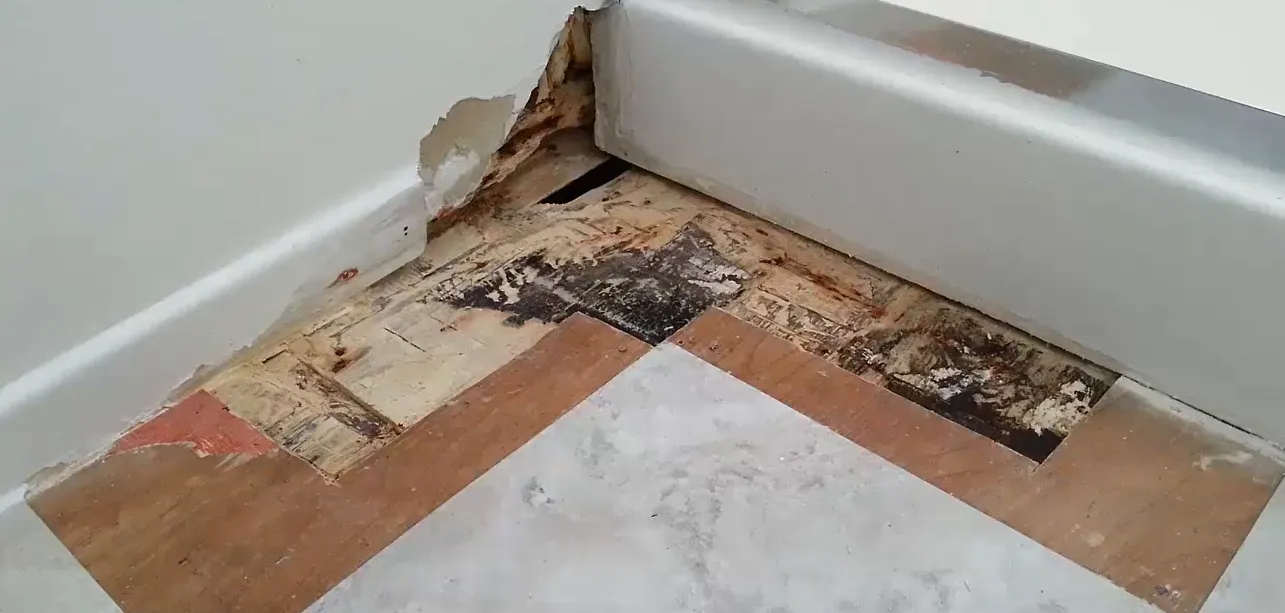
The landlord’s duty assumes normal use — when the tenant’s own negligence causes the water damage, the bill can shift. Overflowing a bathtub, disabling a sump pump, ignoring a running toilet, or failing to report a leak you knew about can make the tenant liable for resulting damage.
Notice timing is everything. Nebraska tenants have a duty to notify the landlord promptly of defects — and a small leak you “meant to mention” that becomes a collapsed ceiling is a much harder case than one you reported in writing the day it appeared. Landlords: document everything. Photograph the unit’s condition at move-in and move-out, keep written records of maintenance requests and your responses, and act fast when water is reported — a landlord who sits on a leak notice for a week shares the blame for what grows. Tenants: report in writing (text or email counts), keep copies, and never assume the landlord “probably knows.”
Burst Pipes Are Emergencies: Landlords Can Enter Without 24-Hour Notice
A burst pipe is an emergency — and in an emergency, a Nebraska landlord may enter the rental without the usual 24-hour notice to stop the damage. Water doesn’t wait for scheduling, and neither does the law. Document the entry and notify the tenant as soon as possible afterward — emergency access stops the water, not the duty to communicate.
Lincoln’s January–February freeze-thaw cycles split pipes in unheated crawlspaces, garages, and exterior walls — and a burst pipe can release hundreds of gallons before anyone notices. For tenants: know where your main water shutoff is on day one, and shut it off the moment you discover a burst pipe. For landlords: make sure every tenant knows the shutoff location (put it in the lease packet), keep heat at a minimum in vacant units, and insulate exposed pipes before the first freeze — which lands around October 12 in Lincoln. An emergency entry to shut off water is far cheaper than the alternative: a weekend of flooding while everyone waits for Monday.
The UNL Rental Reality: Student Housing Near the Creeks
UNL enrolled roughly 23,577 students in fall 2026 (UNL) — and thousands of them rent in the North Bottoms, Near South, and Hawley, neighborhoods that sit in or near Salt Creek’s floodplain. Heavy August turnover means many tenants inherit basements they’ve never seen flood.
This creates a perfect information gap. The landlord knows the basement took water in October 2026; the new tenant signing in August 2027 doesn’t. Nebraska doesn’t require landlords to disclose flood history the way some states do — so tenants should ask directly: Has this basement ever flooded? Is there a sump pump? Who maintains it? Landlords, take note: a tenant who asked and was told “never floods” has a much stronger position if it floods than one who never asked. Honesty at lease signing prevents disputes at claim time. Both sides should read our basement flooding guide before storm season.
Renters Insurance: The Coverage Tenants Forget Until It’s Too Late
The landlord’s policy covers the building — never your belongings. Renters insurance covers your furniture, electronics, and clothes against covered perils, and often includes additional living expenses if the unit becomes uninhabitable. It typically costs less per month than a pizza.
The catch: standard renters policies have the same flood exclusion as homeowners policies. Your laptop ruined by a burst pipe? Covered. Your couch destroyed by Salt Creek backing up through the floor drain? Not covered without separate flood insurance — and most renters don’t carry it. Know what you actually bought before the water comes. Landlords can’t require flood insurance in most cases, but smart ones strongly recommend renters insurance in the lease — it reduces the pressure on you when a tenant’s uninsured losses become your dispute.
Water Damage Can't Wait
Every hour you wait, the damage spreads. Call now and get a straight answer about timing and next steps.
First 24 Hours: A Tenant’s Checklist After a Flood
Notify your landlord in writing immediately — text or email, with photos. Move your belongings to dry ground. Don’t throw anything away before documenting it. And don’t stop paying rent over the flood without legal advice — Nebraska has specific remedies, and self-help can backfire.
Your written notice starts the landlord’s clock on their habitability duty. Be specific: where the water is, where you think it’s coming from, and what you’ve done so far. If the unit is unsafe — sewage, no power, heavy mold — say so plainly and ask about temporary arrangements. Keep every message. If the landlord doesn’t respond within a reasonable time, document that too, and talk to a Nebraska tenant-rights attorney before taking further steps. For the water itself, don’t wait on anyone: call Water Damage Lincoln NE at +1 (402) 227-8606 — fast extraction limits everyone’s losses, and mold doesn’t care whose fault it is.
First 24 Hours: A Landlord’s Checklist After a Flood
Respond immediately, even if it’s just to acknowledge and dispatch help. Your duty to mitigate damages starts the moment you know — every hour of standing water you ignore becomes mold, rot, and a bigger repair bill that a court will notice.
Call for professional extraction right away: Water Damage Lincoln NE answers 24/7 at +1 (402) 227-8606. Document the source and extent with photos before cleanup begins — you’ll need it for your insurance claim and any deposit dispute. Communicate with the tenant in writing: what you’re doing, when, and what they should do with their belongings. If the unit is uninhabitable, address that directly rather than hoping the tenant stays quiet. And after the emergency, fix the cause — the pump, the grading, the pipe — because the next storm is coming, and “it flooded before” is not a defense. Our guide to choosing a contractor covers vetting restoration help, and our insurance claims guide walks through documentation.
Frequently Asked Questions
Adding carpet in basement. Who is responsible if it floods?
Usually the landlord owns the building, so the landlord handles structural drying — but carpet the tenant installed is the tenant’s property and their loss. If the landlord installed the carpet, replacing it is generally the landlord’s repair. Either way, renters insurance is what makes a tenant whole. Call +1 (402) 227-8606 for fast extraction.
Flooded basement in rentals
Tell your landlord in writing immediately — Nebraska landlords have a duty to keep the place habitable, and prompt notice starts their clock. Photograph everything, move your belongings to dry ground, and don’t throw anything away before documenting. For the water itself, Water Damage Lincoln NE extracts 24/7: +1 (402) 227-8606.
Landlord responsible to clean up water?
For the structure, yes — Nebraska’s habitability duty (§ 76-1419) generally makes the landlord responsible for removing standing water and drying the building. For the tenant’s ruined couch, electronics, and clothes, no — that’s what renters insurance is for. When fault is unclear, document everything and get legal advice before withholding rent.
Tenant wants me to waterproof a basement in PA that doesn’t flood
Nebraska law doesn’t require landlords to waterproof a basement that has no flooding problem — habitability covers actual conditions, not upgrades. You can offer reasonable steps like sealing visible cracks, but a full waterproofing system isn’t owed. Put any agreement or refusal in writing, and address real water issues the moment they appear.
Flooded basement due to tenant not keeping the drain clear
When a tenant’s negligence — like ignoring a floor drain until it clogs and backs up — causes the flood, the tenant can be held liable for the resulting damage. Document the drain’s condition with photos, keep records of any prior warnings, and act fast to mitigate: Water Damage Lincoln NE at +1 (402) 227-8606.
Basement floods?
First, notify your landlord in writing and document everything with photos. Then stop the damage: move belongings upstairs and call for extraction — Water Damage Lincoln NE responds 24/7 at +1 (402) 227-8606. Know your lease: it should spell out maintenance duties, emergency contacts, and who carries what insurance.
Who pays when a Lincoln rental basement floods — landlord or tenant?
Usually both, for different things: the landlord pays to dry and repair the building under Nebraska’s habitability duty (§ 76-1419), while the tenant’s belongings are covered by renters insurance — not the landlord. If tenant negligence caused it, the tenant may owe for structural damage too. Fast extraction at +1 (402) 227-8606 limits everyone’s bill.
Can my Nebraska landlord charge me for water damage?
Yes, if you caused it — overflowing a tub, disabling a sump pump, or failing to report a known leak can make you liable for repair costs, possibly deducted from your deposit with an itemized statement. But a landlord can’t charge you for storm flooding, creek overflow, or aging pipes. Dispute unfair charges in writing and seek legal advice.
My basement has mold after it was flooded. What should I do?
Don’t ignore it — the EPA warns that “mold can begin growing within 24–48 hours” on wet drywall, wood, and carpet. Tell your landlord in writing (mold from flooding is generally their structural problem), keep the area ventilated, and don’t disturb large patches yourself. Call Water Damage Lincoln NE at +1 (402) 227-8606 for professional mold remediation.
Can you live in a house with a flooded basement?
Sometimes, if the water is contained to the basement, power is safe, and there’s no sewage or heavy mold — many Lincoln families live upstairs during drying. But standing sewage, widespread mold, or compromised electrical systems make a home uninhabitable, and landlords must provide habitable premises (§ 76-1419). When in doubt, ask Lincoln-Lancaster County health officials.
Call Water Damage Lincoln NE
Water Damage Lincoln NE — 2805 S 48Th St, Lincoln, NE 68506 — +1 (402) 227-8606. Landlords and tenants: 24/7 emergency extraction anywhere in Lincoln and Lancaster County. Contact us or call now.