Storm Damage Restoration in Lincoln, NE — Hail, Wind & Flood
Water Damage Lincoln NE restores storm-damaged homes across Lincoln, Nebraska — call +1 (402) 227-8606. From May–July severe weather to the Oct 2026 historic downpour that flooded Salt Creek neighborhoods, we handle roof-tarp coordination, interior water extraction, drying, and rebuild as a registered Nebraska contractor.
24/7 emergency response across Lincoln & Lancaster County
Lincoln’s storms don’t come in one flavor. May through July brings the severe season — tornadoes, hail, straight-line wind. March can tear roofing off with 70+ mph gusts. And October 2026 proved that fall can deliver the worst flood in city history: 6.15 inches in a single day at Lincoln Airport, with the National Weather Service’s Omaha/Valley office issuing warnings as Salt Creek left its banks and Antelope Creek flooded next to the Bob Devaney Sports Center. This page covers Lincoln’s storm calendar, what to do in the hours after a storm, how hail and wind create slow leaks, and how flash flooding overwhelms homes.
Lincoln’s Storm Calendar: May–July Severe Season and Beyond
Nebraska averages 57 tornadoes a year, with 75% landing May–July — but Lincoln’s water damage doesn’t stop there. Baseball-size hail hit in June 2026, 70+ mph gusts tore roofing in March 2025, and the Oct 1–2, 2026 historic downpour dumped 6.15 inches in a day. NWS Omaha/Valley watches mean conditions are ripe; warnings mean it’s happening.
Know the calendar, and you can prepare instead of react:
March–April: wind events.
May–July: severe season.
June 2026: the hail benchmark.
October: the flood wildcard.
January–February: freeze-thaw.
Watch vs. warning, from NWS Omaha/Valley: a watch means conditions are favorable — review your plan, check the sump pump, know where the shutoff is. A warning means it’s happening — take shelter, and after it passes, inspect before the next rain.
57
Nebraska tornadoes per year
75% land May-July
6.15 in
Wettest day ever
Lincoln Airport, Oct 1-2 2026
~20
Flood rescues that night
Near 11th & Cornhusker, Oct 2026, via 1011 NOW
After the Storm: Safety, Tarping, and Documentation
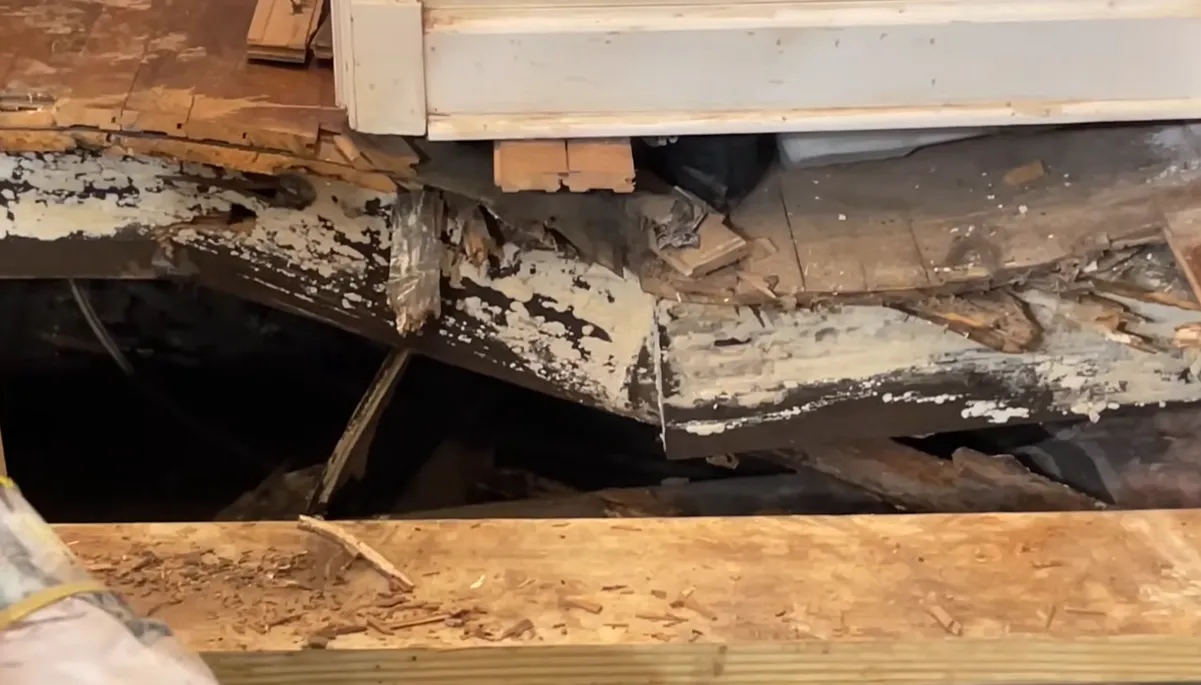
Once it’s safe, photograph everything before you touch it — roof damage, waterlines, soaked belongings. Tarp compromised roofing to stop the next rain from compounding the loss; insurers expect you to mitigate. Then call Water Damage Lincoln NE at +1 (402) 227-8606 for interior extraction and drying. Keep every receipt; mitigation costs are part of the claim.
The post-storm sequence that protects both your home and your claim:
Stay safe first.. Downed power lines, unstable trees, flooded streets — the storm’s aftermath injures more people than the storm. Don’t go on the roof; use binoculars from the ground or a drone photo.
Photograph everything before cleanup.. Roof damage, missing shingles, dents in vents and gutters, waterlines on walls, soaked belongings. Date-stamped photos are the backbone of your claim.
Tarp the roof.. A compromised roof plus the next rain equals a second loss. Emergency tarping stops the bleeding — we coordinate tarping as part of our storm response.
Mitigate inside.. Buckets under active drips, move valuables, pull up wet area rugs. Insurers expect reasonable mitigation; “we waited a week” weakens claims.
Call us.. +1 (402) 227-8606 for interior water extraction, moisture mapping, and structural drying. The roof gets tarped; the interior gets dried — same response.
File promptly.. Report to your insurer within days, with the storm date documented. June 2026’s hail and October 2026’s flood are both events adjusters know by name.
One thing adjusters look for: did you mitigate? Tarping receipts, extraction invoices, and dated photos answer that question before it’s asked.
Hail and Wind: The Slow Leaks That Rot From Above
June 2026’s baseball-size hail bruised shingles across Lincoln; March 2025’s 70+ mph gusts lifted flashing and tore vents. The damage doesn’t always leak immediately — it opens a slow path that rots decking and framing for months before a ceiling stains. After any major hail or wind event, get the roof inspected before the next rain, not after.
This is the damage pattern most Lincoln homeowners underestimate. A hail-bruised shingle doesn’t fail the next day — the bruise cracks the mat, UV and thermal cycling widen it, and months later water finds its way through. By the time a brown ring appears on the ceiling, the decking above it may be rotted and the insulation saturated. What would have been a shingle repair becomes a roof-deck repair plus interior restoration.
Wind works differently but ends the same way: lifted flashing around chimneys and vents, creased shingles that break their seal, torn ridge caps. Each one is a small opening that the next thunderstorm exploits. After any major hail or wind event — and Lincoln has had both in the last two years — a roof inspection is cheap insurance. If the ceiling is already staining, our ceiling water damage repair page covers the interior side of the job.
Water Damage Can't Wait
Every hour you wait, the damage spreads. Call now and get a straight answer about timing and next steps.
Flash Flooding and Creek Overflow
When thunderstorms stall over Lancaster County, Salt Creek, Antelope Creek, and Deadmans Run rise fast. Oct 2026 pushed Salt Creek to crests on 10.41 inches of watershed rain. ‘Back flooding’ — Lincoln Fire & Rescue’s term for creek water backing into streets and basements — filled many basements. If water is rising around your home, call 911 first and us second.
Salt Creek runs about 44 miles through Lincoln with 15 tributaries; Antelope Creek runs 11 miles from Mendoza Park through the city, with the Antelope Valley Project built as its flood control. Both are engineered systems — and October 2026 showed what happens when rainfall exceeds the engineering. LFR Battalion Chief Mark Majors described it to 1011 NOW: runoff causing “streams and creeks to crest” creates “back flooding.” That back flooding filled hundreds of basements in North Bottoms, South Bottoms, and South Salt Creek.
The human numbers from that night: about 20 rescues near 11th & Cornhusker, boat rescues at 9th & Garber and NW 31st & Airport Road, and 71 “motorist assists” logged by the Nebraska State Patrol (via 1011 NOW). Governor Jim Pillen signed an emergency proclamation. And the warning that still matters: “Turn around, don’t drown — most flood deaths occur in vehicles” (National Weather Service).
Our October 2026 flood page has the full recap, and Salt Creek flooding goes deeper on the creek system. If water is actively entering your home, skip the reading and go to emergency water removal. Questions? Contact us.
Frequently Asked Questions
My crawl space or basement flooded after a storm. What should I do first?
Safety first: don’t enter standing water that may be electrified or contaminated, and keep kids and pets out. Then call Water Damage Lincoln NE at +1 (402) 227-8606 for emergency extraction — EPA notes mold can begin within 24–48 hours. Photograph the waterline before cleanup; insurers use it to verify the loss.
Will my homeowners insurance cover roof leak repairs and water damage?
When hail or wind damages the roof and rain gets in, the resulting interior water damage is typically covered — June 2026’s baseball-size hail is exactly the kind of event policies cover. The roof repair itself is usually covered too, minus your deductible. What isn’t covered: leaks from old, worn-out shingles with no storm event behind them.
How expensive is it to fix water damage?
Storm jobs vary wildly: a tarped roof with minor ceiling staining is a small job; wind-driven rain through a compromised roof into a finished basement is a big one. Nationally, Angi’s 2026 benchmark averages about $3,860 (range $1,383–$6,384) — not a Lincoln quote. Fast tarping and same-day extraction are the two moves that keep storm bills small.
What is the best way to prevent water damage in my basement during heavy rainfall, and should I consider installing a basement flood pump?
Absolutely install the pump — with battery backup, since the storms that flood Lincoln basements are the same ones that knock out LES power. Beyond that: regrade soil away from the foundation, extend downspouts, keep gutters clear before May–July severe season, and know that discharging a sump into Lincoln’s sanitary sewer is illegal.
Should I file a home insurance claim for water damage
For storm damage, usually yes — hail, wind, and fallen-tree damage are core covered perils, and adjusters expect these claims after events like June 2026’s hail. File promptly, document with photos and the storm date, and mitigate further damage (tarping counts). Skip filing only if the repair is clearly near or under your deductible.
Why would insurance deny a water damage claim?
The top reasons: the damage was gradual (a long-term leak, not sudden), it was maintenance-related (worn shingles, unsealed foundation), the water was flood or groundwater (excluded without flood insurance), or the claim was filed too late. Denials also follow when homeowners can’t show they mitigated — which is why same-day professional dry-out and photo logs matter.
Where is the first place a homeowner should look for water damage?
Start low and quiet: the basement — behind the water heater, under the laundry area, around the sump pit, and along the foundation walls where seepage shows first. Then check under sinks, around toilets, and the attic after hail season. Musty smell with no visible water means it’s hiding; moisture meters find what eyes miss.
Storm damage to your home? Call Water Damage Lincoln NE at +1 (402) 227-8606 — 24/7 emergency response.
Water Damage Lincoln NE · 2805 S 48Th St, Lincoln, NE 68506 · +1 (402) 227-8606
Call Water Damage Lincoln NE Now
Water damage gets worse every hour you wait. Call now for fast emergency response across Lincoln and Lancaster County.