Hardwood Floor Water Damage Repair in Lincoln, NE
Water Damage Lincoln NE restores water-damaged hardwood floors across Lincoln, Nebraska — call +1 (402) 227-8606. From burst pipes over Near South oak floors to sump failures in finished basements, we dry, dehumidify, and refinish when wood can be saved — and replace honestly when it can’t — as a registered Nebraska contractor.
24/7 emergency response across Lincoln & Lancaster County
Hartley and the Near South hold some of Lincoln’s oldest hardwood — oak and maple laid decades ago, with a patina no new floor can fake. When water hits it, the panic is understandable: a buckled oak floor looks ruined. Often it isn’t. Wood is remarkably forgiving if it’s dried correctly and quickly — and remarkably unforgiving if it’s dried wrong or left wet. This page covers how to read what your floor is telling you (cupping, crowning, buckling), when hardwood can be saved, how specialty floor drying works, and the honest math on refinishing versus replacement.
Cupping, Crowning, and Buckling: Reading Your Floor
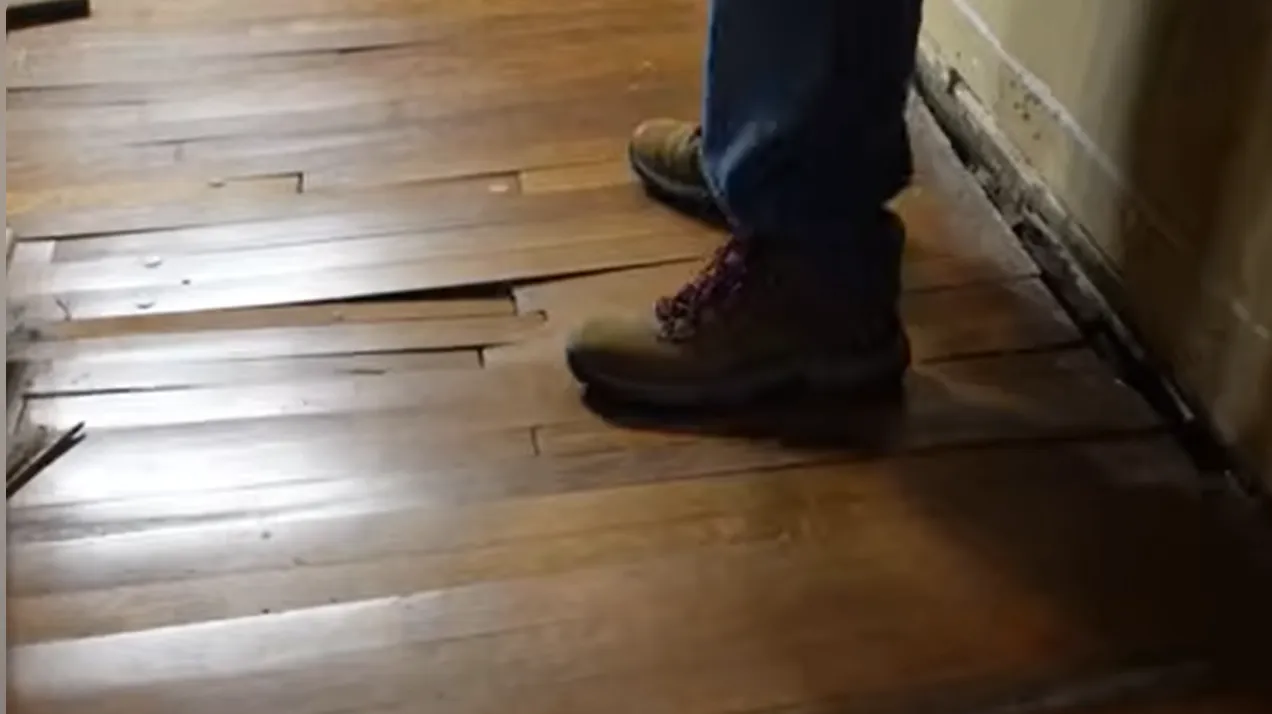
Cupping — edges raised, center low — is the classic early sign and often reversible with proper drying. Crowning — center raised — usually means the floor was sanded while still wet or dried unevenly. Buckling, where boards lift off the subfloor, is severe and usually means replacement. A moisture meter, not the eye, makes the call.
Here’s the field guide:
Cupping
Crowning
Buckling
Gaps and discoloration
The critical rule: never let anyone sand your floor until moisture readings through the boards and subfloor hit dry standard. Sanding a wet floor locks in the damage — it’s the number one way a salvageable floor becomes a replacement job. The EPA’s mold guidance applies here too: “mold can begin growing within 24–48 hours” on wet wood (EPA), and trapped moisture under hardwood is mold’s favorite hiding place.
$3,860
Average restoration job
Angi 2026 national benchmark, not a Lincoln quote
$1,383–$6,384
Typical job range
Angi 2026 national benchmark, not a Lincoln quote
$2,300–$6,200
Mold remediation under long-wet floors
Angi 2026 national benchmark, not a Lincoln quote
5–10 days
Typical hardwood dry-out
Depends on species, subfloor, and how long water sat
When Hardwood Can Be Saved — and When It Can’t
Clean-water damage caught within 24–48 hours usually dries back flat with specialty floor-drying mats and dehumidification. Gray water needs sanitizing too. Black water — sewage or creek floodwater — means replacement, no exceptions: contaminants soak into wood grain. Long-soaked floors that delaminated or buckled severely are also beyond saving. Honest readings decide, not sales pressure.
The decision tree we actually use:
Can be saved
Maybe
Replace
Engineered hardwood deserves a note: its thin veneer over plywood or HDF core handles brief wetting okay, but once the core swells or delaminates, it’s done — there’s no sanding back a veneer. Solid oak and maple, the kind in Lincoln’s older homes, are far more forgiving.
Anyone who recommends full replacement before taking moisture readings through the boards is selling, not diagnosing. We’ll show you the meter numbers behind whichever recommendation we make.
How We Dry Hardwood Floors
We extract surface water, then lay specialty floor-drying mats that pull moisture through the boards while LGR dehumidifiers strip it from the air. Pin meters track moisture through the wood and subfloor daily — we stop when readings hit dry standard, not when the surface looks fine. Rushing this step is how floors crown later.
The process, step by step:
Surface extraction.. Standing water comes up first — every minute it sits, it soaks deeper.
Moisture baseline.. Pin meters read through the boards into the subfloor. We document starting moisture content for each area — this is the “before” your insurer wants.
Floor-drying mats.. Specialty mats seal to the floor surface and pull moisture up through the boards under negative pressure, while LGR dehumidifiers strip that moisture from the air. This is the equipment that separates professional wood-floor drying from “let’s aim some fans at it.”
Daily readings.. We check moisture through the wood and subfloor every day. The surface will look dry long before the subfloor is — the meters decide when we’re done, not appearances.
Patience.. A typical hardwood dry-out runs longer than a drywall dry-out — often 5–10 days depending on the wood species, the subfloor, and how long the water sat. Rushing means crowning later.
What we don’t do: sand early, crank heat without dehumidification (which just drives moisture deeper), or declare victory based on a dry-looking surface.
Water Damage Can't Wait
Every hour you wait, the damage spreads. Call now and get a straight answer about timing and next steps.
Refinishing vs. Replacement: The Honest Math
Saved floors get sanded, stained, and sealed back to a uniform finish — far cheaper than replacement and it preserves the original wood, which matters in the Near South’s historic homes. Replacement means new boards, acclimation time, and finishing to match the rest of the house. We’ll show you the meter readings behind whichever recommendation we make.
Refinishing
Partial replacement
Full replacement
On cost context: nationally, Angi’s 2026 data puts mold remediation — sometimes needed under long-wet wood floors — at $2,300–$6,200 (national benchmark, not a Lincoln quote). The broader restoration benchmarks (about $3,860 average, $1,383–$6,384 range) are on our water damage restoration cost page. The cheapest hardwood job is always the one where drying started the same day — see water damage repair for the full sequence, basement flooding for below-grade wood floors, and burst pipe repair for Lincoln’s most common cause. Mold under the boards? That’s mold remediation. Questions? Contact us.
Frequently Asked Questions
How expensive is it to fix water damage?
Hardwood changes the math: drying and refinishing costs far less than tear-out and replacement, which is why fast professional drying pays for itself. Nationally, Angi’s 2026 benchmark averages about $3,860 (range $1,383–$6,384) — not a Lincoln quote — but wood floors swing wider than average. Get moisture readings before anyone talks replacement.
Is water restoration worth it?
For hardwood, usually yes — and quickly. Professionally dried and refinished oak or maple keeps its value and character; replacing it costs multiples more and rarely matches the original. The exception: black-water contamination or buckling so severe the boards delaminated — then replacement is the honest answer. Speed decides which outcome you get.
Flood in friend’s new kitchen
Help them act fast, not perfectly: shut off the water source, get standing water up, and call a restorer the same day — Water Damage Lincoln NE at +1 (402) 227-8606. New kitchens mean new cabinets and flooring at replacement cost, so documentation matters: photograph everything before cleanup. Don’t let anyone tear out flooring before moisture readings.
What does water damage restoration include?
For hardwood: emergency extraction, moisture readings through the wood and subfloor, specialty drying with floor-mat systems and dehumidification, mold checks underneath, then refinishing — sanding, staining, and sealing — when the wood is saved. If boards are destroyed, we replace and finish to match. One call to +1 (402) 227-8606 covers it all.
How long does it take for mold to start after a flooded basement?
EPA’s 24–48-hour window applies under hardwood too — and trapped moisture beneath wood floors is mold’s favorite hiding place. Cupping boards can mask a wet subfloor growing mold out of sight. This is why wood floors need professional moisture readings through the boards, not just a dry-looking surface, before anyone declares them fine.
Ripping up carpet from finished basement that flooded- worried about mold spreading
Valid worry — but leaving wet carpet and pad in place is worse; mold is already growing underneath within 24–48 hours (EPA). The right move: professional extraction first, then controlled removal with containment so spores don’t spread through the house. Don’t rip it up dry yourself and run the HVAC — that aerosolizes mold through every vent.
Hardwood floor water damage? Call Water Damage Lincoln NE at +1 (402) 227-8606 — 24/7 emergency response.
Water Damage Lincoln NE · 2805 S 48Th St, Lincoln, NE 68506 · +1 (402) 227-8606
Call Water Damage Lincoln NE Now
Water damage gets worse every hour you wait. Call now for fast emergency response across Lincoln and Lancaster County.