Water Damage Restoration Cost in Lincoln, NE — 2026 Price Guide
Water Damage Lincoln NE believes you should see real numbers before anyone visits your home — so here they are: U.S. residential water damage restoration averages ~$3,860, ranging $1,383–$6,384 (Angi, 2026 — national benchmark, not a Lincoln quote). Call +1 (402) 227-8606 for a free on-site assessment and a written scope with your actual price.
24/7 emergency response across Lincoln & Lancaster County
From North Bottoms basements that took Salt Creek back-flooding in October 2026 to finished basements in Yankee Hill with burst January pipes, Lincoln homeowners face the same question after every water disaster: what will this cost to fix? Here’s the honest answer — with real numbers, labeled for what they are.
Nobody in this industry wants to talk about price. Type “water damage restoration” into Google and you’ll get twenty companies saying “call for a free estimate” and zero numbers. That’s not an accident — vague pricing serves the contractor, not you. This page does the opposite. Every figure below is a labeled 2026 national benchmark from Angi, not a quote for your Lincoln home; your written on-site scope is the only number that actually matters. But benchmarks let you spot a fair price, smell a scam, and decide whether to file an insurance claim — so let’s talk money plainly.
The National Benchmarks, Labeled Honestly
The 2026 national benchmarks (Angi — national figures, not Lincoln quotes): average residential restoration ~$3,860, typical range $1,383–$6,384; clean water ~$3.50/sq ft, gray water ~$5.25/sq ft, black water/sewage ~$7.50/sq ft; mold remediation $2,300–$6,200. These are starting points for your expectations, not prices — Lincoln labor, access, and scope move every job.
Why per-square-foot pricing splits by water category: clean water (burst supply line, rainwater intrusion) needs extraction and drying — the cheapest job. Gray water (washing machine discharge, dishwasher overflow) carries contaminants and needs sanitizing plus removal of more porous material. Black water (sewage backup or creek floodwater) is a health hazard requiring full Category 3 protocol: extraction, disinfection, disposal of contaminated materials, HEPA air scrubbing. As LFR Battalion Chief Mark Majors told 1011 NOW during the October 2026 flood, runoff causing “streams and creeks to crest” creates “back flooding” — and that floodwater is black water by definition. Each step up in category roughly doubles labor and disposal cost. A 500-square-foot finished basement at clean-water rates benchmarks around $1,750; the same space with sewage benchmarks around $3,750 — before rebuild. And rebuild (drywall, flooring, trim, paint) is often half the total on finished basements. None of this is a quote. It’s the math your contractor should be willing to show you — and if they won’t discuss ballparks at all, that’s a red flag. For how these numbers interact with your policy, see our insurance claims guide.
~$3,860
Average restoration job
Angi 2026 national benchmark, not a Lincoln quote
$1,383-$6,384
Typical job range
Angi 2026 national benchmark
$3.50/$5.25/$7.50
Per sq ft: clean/gray/sewage
Angi 2026 national benchmarks
$2,300-$6,200
Mold remediation alone
Angi 2026 — why waiting costs more
What Actually Drives Your Price Up or Down
Five things decide your price: water category, square footage affected, how much material must be demolished, access difficulty, and how fast drying starts. A fast-caught clean-water spill in an unfinished utility room and three-day-old sewage in a finished basement are different universes of cost.
Water category. As above — clean, gray, black. Black water jobs cost the most because disposal, disinfection, and protective protocol add labor at every step. Floodwater from Salt Creek or a backed-up sewer is black water by definition, which is one reason the October 2026 flood was so expensive for so many families.
Square footage and spread. Water migrates — under flooring, inside walls, into adjacent rooms. A “small” leak that ran for a weekend can wet three rooms once you map it with thermal imaging. This is why phone quotes are fiction: nobody can price what they haven’t measured.
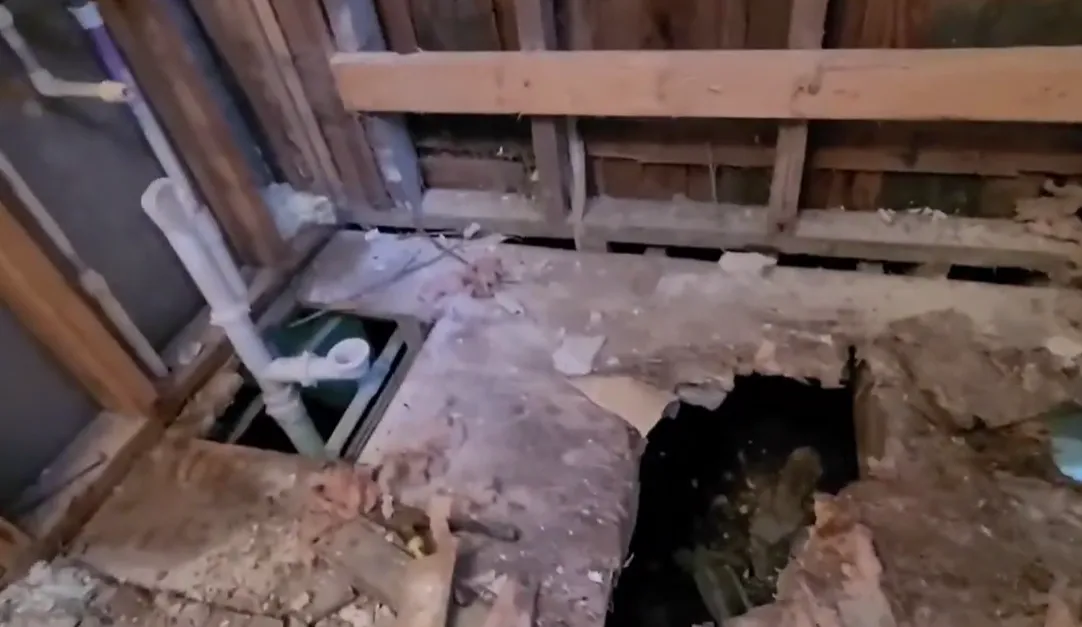
Demolition. Drywall, carpet pad, and insulation that stayed wet or touched sewage must be removed — they can’t be sanitized. Finished basements multiply this: every finished wall is drywall to cut, every carpeted room is pad to pull. An unfinished North Bottoms utility room might need zero demolition; a finished Yankee Hill family room might need hundreds of square feet of it.
Access. Water under hardwood, behind built-ins, or in a crawlspace costs more to reach and dry than water on an open concrete floor. Second-floor bathroom leaks that travel down through ceilings add rooms to the scope.
Speed. The EPA notes mold can begin growing within 24–48 hours on wet materials. Drying started on day one is a drying job; drying started on day five is a demolition-plus-remediation job. Every day of delay is money — which is the real answer to “should I call now or wait until morning?” Call now: +1 (402) 227-8606.
DIY vs. Hiring a Pro: The Honest Math
DIY works for small clean-water spills caught within hours — wet-vac it, run fans and a dehumidifier for days, watch for mustiness. Anything involving sewage, water inside walls, or standing water over a few hours needs professional equipment — commercial dehumidifiers move roughly ten times the moisture of a home unit.
Here’s the decision framework we give friends: DIY it when the water is clean, the area is small (under ~10 square feet), you caught it within hours, and no drywall, insulation, or subfloor got wet. Rent or buy a real dehumidifier — not just box fans — and run it for at least 3–5 days. Hire a pro when there’s any sewage or you can’t identify the water, when drywall or flooring is wet (moisture meters, not fingertips, decide), when the area is large or across multiple rooms, or when it’s been wet more than a day or two. The middle ground — a moderate clean-water flood caught the same day — is where a professional assessment earns its keep: we map the moisture for free, and if it’s truly minor we’ll tell you. As a registered Nebraska contractor, we’d rather earn your trust with an honest “you can handle this” than sell you a job you don’t need. And never DIY sewage — Category 3 black water is a health hazard with real pathogens, full stop. Our sewage backup cleanup page explains why.
Is Water Restoration Worth It? (Answering It Straight)
Yes, when the alternative is considered honestly: professional drying costs a fraction of what unchecked moisture costs — mold remediation alone benchmarks $2,300–$6,200 nationally (Angi, 2026), and structural rot, ruined flooring, and a musty house that won’t sell cost far more. It’s worth it whenever water reached inside walls, sat over a day, or wasn’t clean water.
The skepticism is understandable — this industry has an upsell problem, and “you need full remediation” is sometimes a sales tactic. That’s exactly why we scope from moisture readings, not from fear: if the meters say it’s dry and the material is sound, we say so. But the math on waiting is brutal. A $2,000 drying job ignored becomes a $5,000 mold remediation plus flooring replacement; a finished basement left damp becomes a five-figure rebuild. Insurance often covers sudden events (burst pipes), which changes the math further — see when to choose a contractor and our insurance guide. The cheapest restoration is the one that starts today.
Water Damage Can't Wait
Every hour you wait, the damage spreads. Call now and get a straight answer about timing and next steps.
Quote Red Flags: How to Spot a Bad Contractor
A legitimate contractor gives a written line-item scope, discusses benchmark ranges openly, and never demands full payment upfront. Walk away from firm phone quotes and “sign today” pressure. In Nebraska, verify contractor registration with the Department of Labor — there is no statewide general contractor license, so “licensed” claims are misrepresentations.
The full red-flag list: firm phone quotes (impossible without moisture mapping — it’s a guess or a lie); “sign today” pressure, especially anyone who shows up uninvited after a storm; full payment upfront (deposits are normal; full prepayment is not); no written scope — verbal estimates evaporate when the bill arrives; mold scare tactics (“toxic black mold” to sell full containment for a small patch); “licensed” claims — Nebraska has no general contractor license, only Department of Labor contractor registration under the Contractor Registration Act, so “licensed” is a fabrication; and no local presence — out-of-town storm chasers vanish when the warranty should start. Ask every bidder: what’s your drying standard, how do you verify it, and what exactly are you removing versus saving? The good answers involve moisture meters and specifics. Our contractor vetting guide has the full interview checklist.
What Restoration Actually Includes (So You Can Compare Bids)
A complete restoration bid should itemize: emergency extraction, moisture mapping, structural drying with logged readings, sanitizing, demolition and disposal of unsalvageable material, mold remediation if needed, and rebuild of drywall, flooring, and trim. If a quote is one lump sum with no line items, you can’t compare it to anything — ask for the breakdown.
Use this as your bid checklist. Every serious proposal for a flooded basement should show: extraction method and equipment; which rooms and materials were moisture-mapped and the readings; drying equipment count and expected duration; exactly what gets removed (how many square feet of drywall, carpet, pad, insulation) and what stays; sanitizing/disinfection steps, especially for gray or black water; disposal fees; and the rebuild scope — materials, finishes, timeline. Two bids at wildly different prices usually differ in scope, not honesty — but only line items let you see that. And remember the benchmark context: a bid far below ~$3.50/sq ft for clean water or ~$7.50 for sewage (national benchmarks) is cutting something — usually the drying time or the demolition. Cheap drying is the most expensive kind.
Cost FAQs
The cost questions Lincoln homeowners actually ask — answered with real benchmark numbers, honestly labeled. Every figure below is a 2026 national benchmark (Angi), not a Lincoln quote; your written on-site scope is the only number that matters. Call +1 (402) 227-8606 for yours.
How much should water remediation cost?
Nationally, expect ~$3,860 on average, typically $1,383–$6,384 (Angi, 2026 — national benchmark, not a Lincoln quote). Per square foot: ~$3.50 clean water, ~$5.25 gray, ~$7.50 sewage. Your real price depends on water category, area, demolition needed, and speed of response — always get a written on-site scope before comparing.
How to estimate water damage restoration?
Multiply affected square footage by the water-category benchmark (~$3.50 clean, ~$5.25 gray, ~$7.50 black water per sq ft — Angi 2026, national), then add rebuild for removed drywall and flooring, which often equals the drying cost on finished spaces. Ballpark only — firm phone quotes are a red flag.
How much does it cost to fix a flooded basement?
Nationally, water damage restoration averages ~$3,860, ranging $1,383–$6,384 (Angi, 2026 — national benchmark, not a Lincoln quote). Clean water runs ~$3.50/sq ft, gray ~$5.25, sewage ~$7.50. Your actual cost depends on water category, square footage, and how much material must be removed — get a written on-site scope.
How expensive is it to fix water damage?
For most U.S. homes it benchmarks $1,383–$6,384, averaging ~$3,860 (Angi, 2026 — national, not a Lincoln quote). Minor clean-water incidents can run under $1,500; sewage in a finished basement with rebuild can exceed $10,000. The spread is why written, line-item scopes matter more than any number on a website — including this one.
Is water restoration worth it?
Yes — professional drying costs a fraction of what unchecked moisture costs. Mold remediation alone benchmarks $2,300–$6,200 nationally (Angi, 2026), and structural rot plus ruined flooring cost more still. It’s worth it whenever water got inside walls, sat over a day, or wasn’t clean water. The cheapest restoration is the one that starts today.
How expensive is Servpro for water damage?
We don’t publish competitors’ prices — franchises quote per job and list no public rates, so any number would be a guess. Compare any franchise bid against national benchmarks (~$3,860 average, Angi 2026) and insist on a line-item scope. Then compare it to ours — call +1 (402) 227-8606.
How much does sewage backup cleanup cost?
Sewage is Category 3 black water, benchmarking ~$7.50 per square foot nationally (Angi, 2026 — not a Lincoln quote), plus disposal and rebuild. A single-room backup often lands in the low thousands; a finished basement runs far higher. Never DIY — see our sewage backup cleanup page for the protocol.
How much does it typically cost to replace a sump pump?
A straightforward sump pump replacement typically benchmarks a few hundred dollars for pump plus labor (national figures vary by pump type — get a local quote). Battery backup adds more but costs far less than one flooded basement. If your pump is 7–10+ years old or runs constantly, replace it before the next storm.
Water Mitigation / Recovery: what should it cost?
Mitigation (extraction, drying, demolition of unsalvageable material) is the emergency phase; recovery/rebuild (drywall, flooring, paint) comes after. Nationally the combined job averages ~$3,860, ranging $1,383–$6,384 (Angi, 2026 — national benchmark, not a Lincoln quote). Get the mitigation scope in writing first — it’s the urgent part — then price rebuild separately if needed.
Sump pump failure flooded basement cost
A sump pump failure during a Lincoln Electric System outage typically means clean-to-gray groundwater over a large area — ~$3.50–$5.25 per square foot nationally (Angi, 2026, not a Lincoln quote), plus demolition. Finished basements cost far more. A battery backup costs a fraction of one such flood.
What does water damage restoration include?
A complete job includes emergency water extraction, moisture mapping with meters and thermal imaging, structural drying with logged readings, sanitizing of affected surfaces, demolition and disposal of unsalvageable materials, mold remediation if needed, and rebuild of drywall, flooring, and trim. If any bid skips the moisture mapping or the drying verification, it’s incomplete — ask for line items.
Is it worth going through insurance for water damage?
It depends on your deductible versus the repair cost and the cause. Sudden events like burst pipes are typically covered; flooding from rain or creeks is excluded without separate flood insurance. If the damage is only slightly above your deductible, paying out of pocket can be smarter than a claim on your record. Get a written scope first, then decide.
Get Your Written Scope — Free On-Site Assessment
Benchmarks get you oriented; only a written on-site scope prices your job. Call +1 (402) 227-8606 for a free assessment anywhere in Lincoln, NE — or reach us through our contact page. We’ll map the moisture, explain your options in plain numbers, and put it in writing.
Water Damage Lincoln NE · 2805 S 48Th St, Lincoln, NE 68506 · +1 (402) 227-8606
Call Water Damage Lincoln NE Now
Water damage gets worse every hour you wait. Call now for fast emergency response across Lincoln and Lancaster County.