Basement Flooding Restoration in Lincoln, NE
Water Damage Lincoln NE provides 24/7 emergency basement flooding restoration in Lincoln, Nebraska — rapid water extraction, structural drying, and mold prevention for flooded basements across the city. From finished basements to crawlspaces, we handle clean, gray, and sewage-contaminated water. Call +1 (402) 227-8606 now — we typically arrive within the hour.
24/7 emergency response across Lincoln & Lancaster County
When Salt Creek leaves its banks after a stalled thunderstorm, the North Bottoms feel it first — water backing up floor drains on streets a mile from the channel. Near South basements take groundwater seepage after the same storms, and when a Lincoln Electric System outage kills sump pumps along the O Street corridor, finished basements from Hartley to Yankee Hill can take on inches of water in a single hour.
Basement flooding is Lincoln’s most common and most expensive water disaster. The October 1–2, 2026 historic downpour proved how fast it happens: 6.15 inches of rain in a single day — the wettest day in city history (National Weather Service Omaha/Valley). Hundreds of basements filled in hours. This page is your complete playbook: why Lincoln basements flood, what we do about it, what it costs, and what to do in the first hour.
Why Lincoln Basements Flood
Lincoln basements flood from five main causes: creek-driven back flooding when Salt Creek or its tributaries crest, sump pump failure during Lincoln Electric System power outages, sanitary sewer backups after heavy rain, burst pipes during January–February freeze-thaw cycles, and groundwater seepage through foundation walls and floors. Most floods combine two or more of these at once.
Salt Creek runs roughly 44 miles through Lincoln with 15 tributaries. When severe thunderstorms stall over Lancaster County, these waterways rise in hours — and water backs up storm drains, floor drains, and low-lying streets. Lincoln Fire & Rescue calls it “back flooding.” North Bottoms, South Bottoms, South Salt Creek, and Capitol Beach sit closest to the water; in October 2026, a foot of water stood at 70th & Adams — far from any creek bank.
Sump pump failure. Most Lincoln basements depend on a sump pump — and storms are exactly when Lincoln Electric System outages hit. A pump with no battery backup during a multi-hour outage is just a hole in your floor. Our sump pump failure guide covers backups, alarms, and maintenance.
Sewer backups. When stormwater overwhelms the system, sewage reverses through floor drains and basement toilets — Category 3 black water. It requires professional extraction, disinfection, and disposal: sewage backup cleanup.
Burst pipes. Lincoln’s first freeze lands around October 12, and January–February freeze-thaw cycles split pipes in unheated crawlspaces and garages. A burst pipe releases hundreds of gallons before anyone notices — often discovered as a flooded basement.
Groundwater seepage. After days of rain, hydrostatic pressure pushes water up through the slab and in through foundation cracks — the slow flood that turns a damp carpet into a mold farm.
$3,860
Average restoration job
Angi 2026 national benchmark, not a Lincoln quote
$1,383–$6,384
Typical job range
Angi 2026 national benchmark
24–48 hours
Mold growth window
EPA
6.15 inches
Oct 2026 one-day rainfall
Wettest day in Lincoln history (NWS Omaha/Valley)
Our Flooded Basement Restoration Process
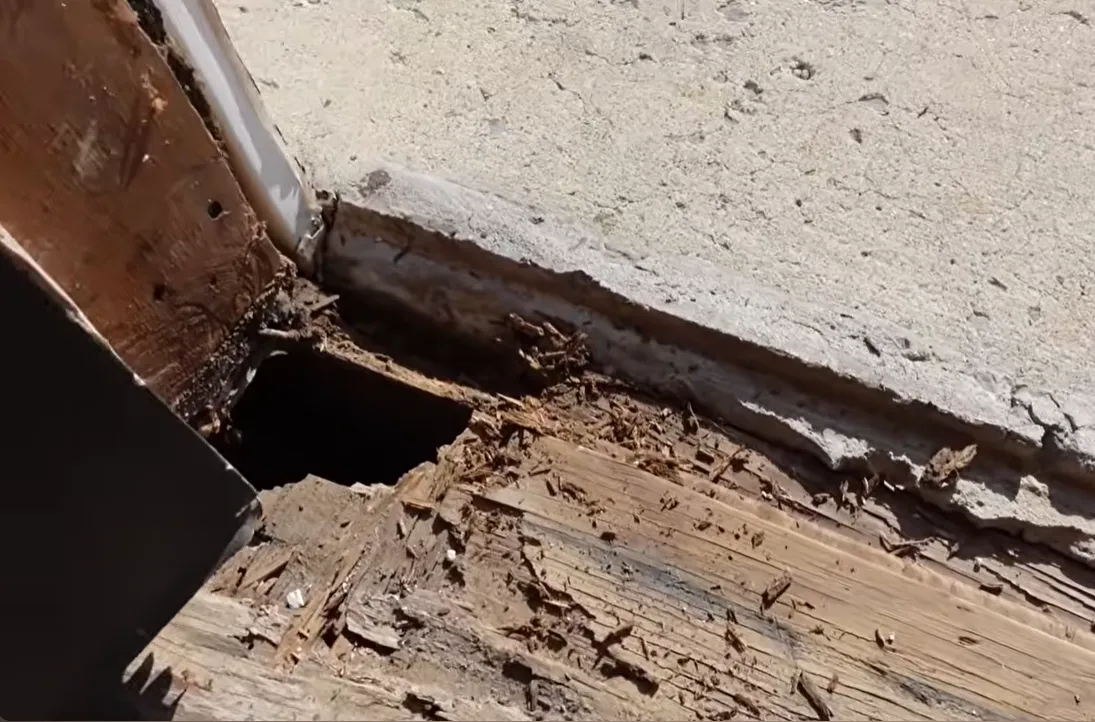
We run a measured, five-step restoration: emergency water extraction, full moisture mapping with thermal imaging and meters, structural drying with commercial air movers and dehumidifiers, sanitizing of affected surfaces, and rebuild of removed drywall, flooring, and trim. You get a written scope before work starts and moisture readings logged until materials hit dry standard.
Step 1 — Emergency extraction. Standing water comes out first with truck-mounted extraction. Every hour of standing water avoided is damage — and cost — avoided.
Step 2 — Moisture mapping. Thermal imaging and moisture meters map how far water traveled inside walls, under flooring, and into framing — you get a written scope before work starts.
Step 3 — Structural drying. Commercial air movers and low-grain-refrigerant (LGR) dehumidifiers run for 3–5 days on a typical basement, with daily moisture readings logged. A home dehumidifier moves a fraction of what commercial equipment moves — the equipment gap is what decides whether your basement dries or grows mold. We follow ANSI/IICRC S500 drying principles as the industry standard for the work.
Step 4 — Cleaning and sanitizing. Affected surfaces are cleaned and disinfected — critical for gray and black water. Contaminated porous materials (carpet pad, lower drywall, insulation) are removed and disposed of.
Step 5 — Rebuild. Removed drywall, flooring, and trim are replaced, with a final walkthrough and moisture verification before we call it done. As a registered Nebraska contractor, we handle the rebuild in-house.
Sump Pump Failure During Power Outages
When Lincoln Electric System loses power in a storm, sump pumps die exactly when groundwater is surging — and discharging your sump pump into Lincoln’s sanitary sewer is illegal under city code. A battery backup sump pump, a water-powered backup, or a simple high-water alarm is the difference between a dry basement and four inches of water.
This is Lincoln’s most preventable basement flood — and its most common. Across 2025 storm events, LES reported 52,500+ customer outages, each a window where basements without backup pumping were defenseless. The fix costs far less than one restoration: battery backup, a sealing check valve, and discharge terminating well away from your foundation. If your pump is 7–10+ years old or runs constantly in rain, inspect it before the next storm — not after. Our sump pump failure guide walks through backup options, maintenance, and what to do mid-flood when the pump quits.
Sewage in Your Basement Is a Different Emergency
Sewage backup is Category 3 black water carrying bacteria, viruses, and parasites — it demands professional extraction, disinfection, and disposal. If the water smells, is discolored, or came up through a floor drain or toilet after heavy rain, treat it as sewage: keep people and pets out, don’t run the HVAC, and call +1 (402) 227-8606 immediately.
Lincoln homeowners often confuse three systems: the sanitary sewer (wastewater to the city), the storm drain (rainwater), and the sump pump discharge (groundwater). Heavy rain can overwhelm the sanitary system and push sewage backward through your lateral — through the lowest drain first. Standard policies exclude this without a separate sewer backup endorsement. Our sewage backup cleanup page covers the full Category 3 protocol.
Mold After a Flooded Basement
Mold can begin growing within 24–48 hours on wet drywall, wood, and carpet (EPA) — which is why fast, measured drying matters most after a flood. If your basement stayed wet for days, assume mold is starting behind baseboards and under flooring even if you can’t see it.
Here’s the honest version: not every damp basement needs full remediation. Surface mold on concrete after quick drying is a cleaning job; mold inside wall cavities, under carpet pad, or across finished drywall is a removal job — the material comes out and the cavity is dried to standard. We don’t sell “superfund” containment for a two-foot patch. Our mold remediation page has the full protocol.
Water Damage Can't Wait
Every hour you wait, the damage spreads. Call now and get a straight answer about timing and next steps.
What Basement Flood Restoration Costs in Lincoln
Most U.S. residential water damage restoration averages ~$3,860, ranging $1,383–$6,384 (Angi, 2026 — national benchmark, not a Lincoln quote). Clean-water jobs run ~$3.50 per square foot, gray water ~$5.25, and sewage-contaminated work ~$7.50. Your written on-site scope is the only number that matters for your basement.
What moves your price: water category, square footage, how much drywall and flooring must be removed, whether the basement is finished (finished space multiplies the loss), and how fast drying starts. We publish benchmark ranges because the industry’s silence on price serves the industry, not you. Our water damage restoration cost guide breaks down every cost driver.
The October 2026 Flood: Proof It Happens Here
On October 1–2, 2026, Lincoln lived through its wettest day ever — 6.15 inches at Lincoln Airport, up to 10.41 inches in the Salt Creek Watershed. There were ~20 rescues near 11th & Cornhusker, boat rescues at 9th & Garber, and 71 motorist assists by the Nebraska State Patrol. Governor Jim Pillen signed an emergency proclamation.
That storm rewrote what Lincoln homeowners thought possible. Basements flooded in neighborhoods that had never taken water — because when creeks crest and storm drains back up, the floodplain on the map stops mattering. Roughly 40% of flood claims nationally come from outside the regulatory floodplain (FEMA). If your basement flooded then and never fully dried, moisture may still be trapped now. Our October 2026 flood hub has the full recap and 30-day action plan.
What to Do in the First Hour After a Flood
Your first hour decides how bad this gets — mold starts within 24–48 hours (EPA), and every hour of standing water drives damage deeper into drywall and framing. Work the list below in order, and call Water Damage Lincoln NE at +1 (402) 227-8606 as early in the sequence as you can.
(1) Kill power to the basement at the breaker before entering standing water. (2) Stop the source if safe: main water valve for a burst pipe; check the sump pump’s power and float. (3) Call +1 (402) 227-8606 — sooner extraction means less demolition. (4) Move valuables and electronics upstairs; lift furniture onto blocks. (5) Don’t run HVAC if sewage is involved; photograph everything before tearing anything out. (6) If water is rising fast or reaching fixtures, get out and call Lincoln Fire & Rescue.
Basement Flooding FAQs
Straight answers to the questions Lincoln homeowners ask us most about flooded basements — what to do first, who to call, what it costs, and how to keep it from happening again. If your basement is flooding right now, skip the reading and call +1 (402) 227-8606.
My basement just flooded. What should I do?
Shut off power to the basement at the breaker if water is near outlets — never wade through electrified water. Stop the source if you can: kill the main water valve for a burst pipe, or check the sump pump. Move valuables upstairs, then call Water Damage Lincoln NE at +1 (402) 227-8606 for emergency extraction.
Who to call to help with basement flooding?
Call a local water damage restoration company with 24/7 emergency dispatch — Water Damage Lincoln NE at +1 (402) 227-8606. Avoid anonymous lead-gen websites that sell your information to whoever pays; you want one accountable, registered Nebraska contractor handling extraction through rebuild, not a middleman auctioning your emergency.
Water in basement
Water in your basement needs same-day attention regardless of the source. Kill power to the area, stop the source if you safely can, move valuables upstairs, and call Water Damage Lincoln NE at +1 (402) 227-8606. Mold can begin growing within 24–48 hours (EPA), so waiting through the weekend turns a drying job into a demolition job.
How much does it cost to fix a flooded basement?
Nationally, water damage restoration averages ~$3,860, ranging $1,383–$6,384 (Angi, 2026 — national benchmark, not a Lincoln quote). Clean water runs ~$3.50/sq ft, gray ~$5.25, sewage ~$7.50. Your actual cost depends on water category, square footage, and how much material must be removed — get a written on-site scope.
Will my basement flood if the sump pump fails?
Very likely during or after heavy rain — the pump is the only thing holding back groundwater in most Lincoln basements. When Lincoln Electric System outages kill power mid-storm, a pump with no battery backup stops exactly when water is rising fastest. A backup pump or high-water alarm is cheap insurance; see our sump pump failure guide for options.
How can I prevent water from coming up through the basement floor?
Keep gutters clean and extend downspouts at least 6–10 feet from the foundation, grade soil away from the house, maintain your sump pump with a battery backup, and seal foundation cracks. For chronic hydrostatic pressure, an interior drain tile system with a reliable pump is the real fix — surface sealants alone won’t stop water pushed up by pressure.
Can you live in a house with a flooded basement?
With clean water and power safely off to the basement, usually yes — upstairs living space is unaffected. With sewage backup, no: Category 3 black water carries pathogens, and you should stay out of the basement and avoid running HVAC until professional cleanup and sanitizing are complete. When in doubt, keep everyone upstairs and call us.
What can I put in my basement to soak up water?
For minor seepage, towels, mops, and a wet/dry vacuum work, plus fans and a dehumidifier running continuously. But absorbents don’t fix flooding — anything over an inch of standing water, water inside walls, or sewage needs professional extraction and structural drying. Soaking it up without drying the structure just hides the moisture that grows mold.
How do I waterproof the basement?! Which vendor provides inspections and estimates in …
Real waterproofing means managing water, not just painting sealant: exterior grading and downspout extensions, foundation crack repair, a working sump pump with battery backup, and for chronic issues an interior drain tile system. We provide on-site inspections and written estimates — call Water Damage Lincoln NE at +1 (402) 227-8606 and we’ll assess your basement in person.
Anyone else have a basement flood?
You’re far from alone — basement flooding is Lincoln’s most common water disaster. The October 2026 downpour (6.15 inches in one day, a city record) filled hundreds of basements from the North Bottoms to Yankee Hill, many in homes that had never flooded. Creeks crest, pumps fail, pipes burst — it happens to thousands of Lincoln homeowners yearly.
My basement has mold after it was flooded. What should I do?
Don’t just bleach the surface — mold inside wall cavities and under flooring won’t die from a spray bottle. Small patches on concrete can be cleaned, but growth on drywall, carpet, or insulation means the material must be removed and the area dried to standard. Call +1 (402) 227-8606 for an honest assessment.
Is it worth going through insurance for water damage?
It depends on your deductible versus the repair cost and the cause. Sudden events like burst pipes are typically covered; flooding from rain or creeks is excluded without separate flood insurance. If the damage is only slightly above your deductible, paying out of pocket can be smarter than a claim on your record. Get a written scope first, then decide.
Call Water Damage Lincoln NE Now — 24/7 Emergency Line
Basement flooding gets worse every hour you wait — mold starts within 24–48 hours, and standing water keeps wicking into drywall and framing. Call +1 (402) 227-8606 now for emergency extraction anywhere in Lincoln, NE. Prefer to reach us online? Visit our contact page — but for active flooding, call first.
Water Damage Lincoln NE · 2805 S 48Th St, Lincoln, NE 68506 · +1 (402) 227-8606