Commercial Water Damage Restoration in Lincoln, NE
Water Damage Lincoln NE provides commercial water damage restoration in Lincoln, Nebraska — rapid response for offices, retail, restaurants, and rental properties, with after-hours and weekend work that keeps your doors open. Call +1 (402) 227-8606. From Haymarket District storefronts to offices along the O Street corridor, we document everything for commercial insurers and get revenue flowing again fast.
24/7 emergency response across Lincoln & Lancaster County
When water hits a business, the loss isn’t just drywall and carpet — it’s every hour you’re closed. A flooded break room in a Near South office or a sewage backup in a downtown restaurant costs you the repair bill plus the revenue you never made. The October 1–2, 2026 record downpour — 6.15 inches in one day, the wettest day in Lincoln history — proved commercial buildings aren’t spared: basements filled along Salt Creek from the North Bottoms to South Salt Creek, and crews spent weeks drying out inventory rooms, offices, and tenant spaces across the city. Commercial restoration is a different discipline than residential work: bigger spaces, tighter schedules, more stakeholders, and insurance claims with more zeros. This page explains how we handle it.
What Commercial Water Damage Restoration Means — and Why It Differs From Residential Work
Commercial water damage restoration serves businesses, not homeowners: offices, retail stores, restaurants, warehouses, churches, and rental properties. The differences are real — work happens around your operating hours, the square footage is larger, inventory and business equipment are at stake, multiple decision-makers (owner, property manager, tenants, insurer) need coordinated communication, and the documentation standard for commercial insurance claims is far higher than a typical homeowners claim.
Residential pages talk about saving the family room. Commercial work is about saving the business. A flooded office doesn’t just need dry carpet — it needs dry carpet before Monday’s client meeting. A restaurant with a sewage backup doesn’t just need sanitizing — it needs to pass the health inspector’s standard before reopening. A landlord with flooded units in the North Bottoms needs habitability restored before tenants can withhold rent or break leases. We schedule crews for nights, weekends, and holidays so your operation loses the fewest hours possible. See our emergency water removal page for how 24/7 dispatch works, and our October 2026 flood hub for what commercial buildings endured during the record storm.
~1,151
NFIP policies in Lancaster County
Against ~122,600 households — commercial flood coverage is thinner
3–5 days
Typical structural drying
Rebuild adds 1–3 weeks depending on scope
$3,860
Average residential job
Angi 2026 national benchmark, not a Lincoln quote; commercial runs higher
Minimizing Downtime: How We Keep You Open — or Get You Back Fast
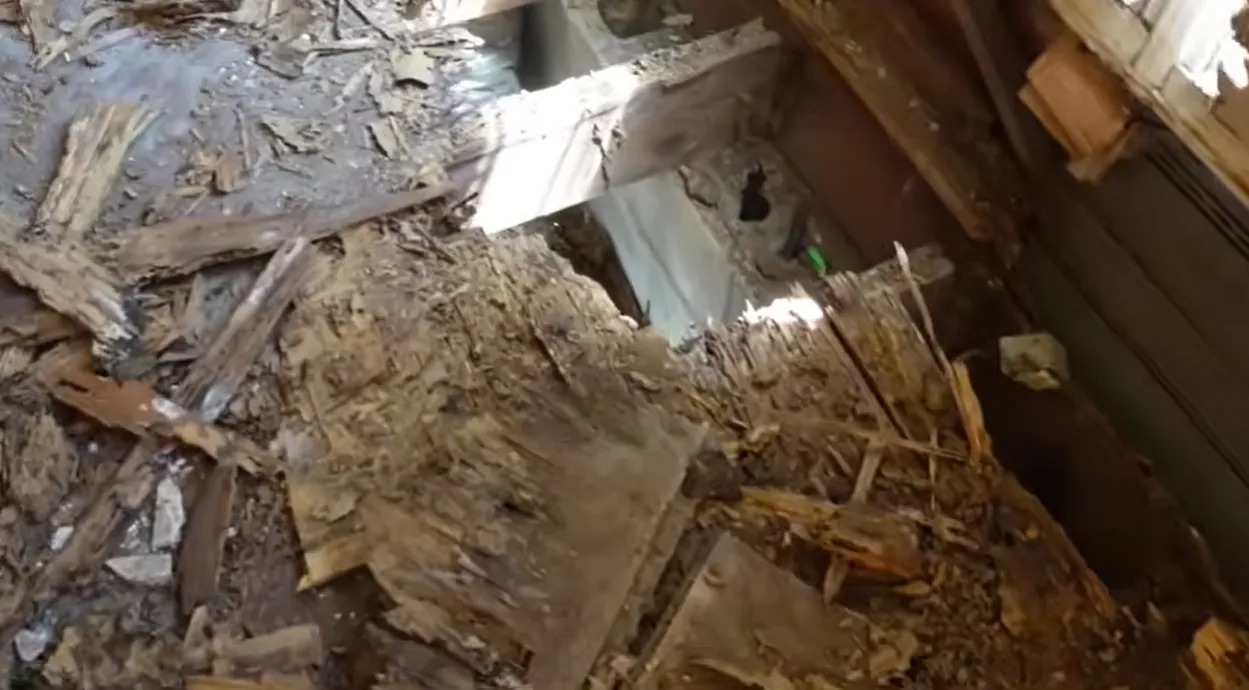
Minimizing downtime starts with a containment-first plan: we isolate the damaged area, dry it aggressively with commercial equipment, and keep the rest of your space operational. For localized damage — a burst pipe in one office suite, a leak above a storage room — full closure is rarely necessary. Call +1 (402) 227-8606 and we’ll triage by phone: what’s wet, what’s operational, and what the fastest safe path back to full capacity looks like.
The playbook depends on the building. A single-tenant office can often stay open while we dry one wing — we set up containment barriers, run equipment overnight, and hand the space back each morning. A retail store might move inventory to the dry half and keep selling while we work the wet half. A restaurant with Category 3 sewage contamination faces a harder call: health code doesn’t negotiate, so the affected area stays closed until sanitizing is verified — but we compress that timeline with maximum equipment and overnight crews. For larger losses, we phase the work so the highest-revenue areas recover first. Every plan starts with one question: what does this building need to earn money again? Then we build the drying schedule around that answer.
After-Hours and Weekend Work — Because Water Doesn’t Check Your Business Hours
We perform commercial restoration work nights, weekends, and holidays — the noisy, dusty, equipment-heavy phases happen when your staff and customers aren’t there. Water damage doesn’t wait for 8 a.m., and neither do we: call +1 (402) 227-8606 any time, and we’ll start the loud work on your schedule, not ours.
This matters more than most owners expect. Commercial dehumidifiers and air movers run loud — you don’t want twelve air movers roaring through a client presentation. Extraction and demolition make dust you don’t want near food service or retail inventory. So we split the job: emergency extraction and source control happen immediately, whenever the loss occurs; the loud drying phase runs overnight and on weekends; the quiet monitoring phase — daily moisture readings, equipment checks — happens in short daytime visits. A Haymarket restaurant we could name… actually, we never name clients or invent job stories — but the pattern is real: extraction at midnight, drying equipment roaring Friday night through Sunday, doors open Monday with readings still in progress. When the October 2026 flood hit overnight, businesses that called during the storm got crews before dawn — not after the damage had two extra days to spread.
Commercial Insurance Documentation: Built for Adjusters, Not Just for You
Commercial claims demand documentation residential adjusters never ask for: moisture maps, daily psychrometric logs, equipment inventory with run times, photo logs with timestamps, itemized scopes, contents inventories for business personal property, and loss-of-income timelines. We produce all of it from day one — because a commercial claim denied for thin documentation is a five-figure problem, not a phone call.
Here’s what your adjuster gets from us: a written scope of work before we start, dated photos of every affected area, moisture readings logged daily until materials hit dry standard, a contents inventory distinguishing cleanable from non-salvageable items, and an itemized invoice that maps to standard estimating formats. For business interruption coverage, we document when areas were unusable and when they returned to service — the timeline your claim needs. We also flag coverage issues early: most commercial property policies, like homeowners policies, exclude flood damage without separate flood coverage, and only ~1,151 NFIP policies exist in Lancaster County against roughly 122,600 households — commercial flood coverage is even thinner. Read our insurance claims guide for how the claim process actually works, and our cost guide for honest benchmark ranges (national figures, clearly labeled — never fake Lincoln prices).
Water Damage Can't Wait
Every hour you wait, the damage spreads. Call now and get a straight answer about timing and next steps.
Rental Properties: When the Flood Is in a Unit You Own or Manage
For landlords and property managers, a water loss in a rental is both a restoration job and a legal obligation: under Nebraska’s landlord-tenant statutes (Neb. Rev. Stat. §§ 76-1401–76-1449), landlords must keep premises fit and habitable and maintain plumbing and sanitary systems in good working order. A flooded unit that isn’t professionally dried and remediated can become a habitability dispute, a rent-withholding fight, or a lease-breaking tenant. Call +1 (402) 227-8606 — we restore the unit and document the work so you can prove the problem was fixed properly.
Lincoln’s rental math makes this urgent. Thousands of UNL students rent in the North Bottoms, Near South, and Clinton — many in small older houses with basements that sit in or near the Salt Creek floodplain. The October 2026 flood filled rental basements across those neighborhoods, and landlords discovered that “the tenant’s stuff is the tenant’s problem” is only half true: the structure, the drying, and the habitability duty are yours. Tenants’ belongings are covered by renters insurance (if they have it); the building is yours. We coordinate with both sides — fast drying that protects your asset, clear communication so tenants know what’s happening, and documentation that shows you acted promptly. Our renters and landlords guide covers who pays for what under Nebraska law, and our contractor vetting page explains why you should never hire an unregistered out-of-town crew for a rental you own.
What Happens After a Storm Hits Your Business
After a major storm, call +1 (402) 227-8606 immediately — don’t wait for business hours. Shut off water at the main if a pipe is the source, kill power to wet areas, move inventory and electronics to dry ground, photograph everything before it’s moved, and keep staff out of any area with sewage or standing water near electrical. Then let us triage: we’ll tell you honestly whether you can stay partially open or need to close.
The October 2026 storm rewrote the commercial playbook for Lincoln. Businesses near 11th & Cornhusker watched boat rescues from their windows; UNL’s Canfield Administration Building ended up, as the Daily Nebraskan reported, “with pumps and fans in the basement to dry up the flooding” — a university building doing exactly what your building might need to do. Storm-driven commercial losses come in clusters: roof damage from hail and wind (baseball-size hail fell in June 2026), creek water through loading docks near Salt Creek, and sump-pump failures when Lincoln Electric System outages kill power mid-storm — 52,500+ customer outages across 2025 storm events. Our storm-damage page covers storm damage restoration specifically, and our sump pump failure guide explains the battery-backup math for buildings that can’t afford to go dark.
Frequently Asked Questions: Commercial Water Damage in Lincoln
Straight answers to the questions Lincoln business owners, property managers, and landlords ask us about commercial water damage restoration — scope, downtime, insurance, and after-hours work. For an active loss right now, call +1 (402) 227-8606.
What does water damage restoration include?
Full-service restoration covers emergency water extraction, moisture mapping, structural drying and dehumidification, sanitizing of affected surfaces, removal of unsalvageable materials, mold prevention or remediation, contents handling, and rebuild of damaged drywall, flooring, and trim. For commercial jobs we add after-hours scheduling, phased work plans, contents inventories for business property, and adjuster-ready documentation throughout.
Why should I hire a restoration company instead of a general contractor for water damage?
A general contractor rebuilds; a restoration company dries. The critical first 72 hours are about extraction, moisture mapping, and psychrometric drying — work most general contractors don’t have the meters or dehumidifiers for. Hire the restoration company first to dry the structure properly, then the right contractor (often us — we’re a registered Nebraska contractor) to rebuild. Rebuilding over trapped moisture guarantees mold.
Can my business stay open during water damage restoration?
Often, yes — for localized damage we contain the work zone and keep the rest of your space operational. Sewage contamination and whole-building drying are harder: health code and equipment noise may force partial or full closure. We phase the work and schedule loud phases overnight and on weekends specifically to protect your operating hours. Call +1 (402) 227-8606 and we’ll assess honestly.
Does commercial property insurance cover water damage?
It covers sudden, accidental water damage — burst pipes, appliance failures, storm-driven roof leaks — much like homeowners policies. It typically excludes flooding from creeks and stormwater without separate flood insurance, and gradual leaks from deferred maintenance are routinely denied. Review your policy’s flood and water endorsements before the next storm, not after; our insurance claims guide walks through the exclusions.
How long does commercial water damage restoration take?
Extraction happens on day one; structural drying typically runs 3–5 days with daily moisture readings; rebuild adds 1–3 weeks depending on scope. Commercial timelines hinge on square footage, whether inventory must be moved, and how much material was contaminated. We give you a written timeline at inspection and daily updates — and we compress it with overnight crews whenever your schedule allows.
Who pays when a Lincoln rental basement floods — landlord or tenant?
Under Nebraska law the landlord must keep the premises fit and habitable, which covers the structure, plumbing, and remediation of the building itself. Tenants’ personal belongings are the tenants’ responsibility (covered by renters insurance if they carry it). If tenant negligence caused the flood, cost allocation gets murkier — document everything. Our renters and landlords guide covers the statutes in plain English.
What should a landlord do first when a rental unit floods?
Stop the source if you can do it safely, get the tenant out of any contaminated or electrified area, photograph everything, and call for professional extraction immediately at +1 (402) 227-8606 — delays grow mold and habitability liability. Then notify your insurer and document your response timeline; prompt professional action is your best defense against any habitability claim.
Do you work after hours, weekends, and holidays?
Yes — commercial work is routinely scheduled nights, weekends, and holidays so your business loses the fewest operating hours. Emergency extraction and source control start immediately whenever the loss occurs; the loud drying phases run on your off-hours. Call +1 (402) 227-8606 any time; for commercial clients we plan the work around your calendar, not ours.
How much does commercial water damage restoration cost?
Honest answer: it scales with square footage, water category, and downtime. Nationally, residential restoration averages ~$3,860, ranging $1,383–$6,384 (Angi, 2026 — national benchmark, not a Lincoln quote), with clean water ~$3.50/sq ft, gray water ~$5.25, and sewage ~$7.50. Commercial jobs run higher because of larger areas, contents handling, and after-hours labor. Your written on-site scope is the only real number — call for it.
How do you document damage for my insurance company?
From day one: a written scope of work, timestamped photos of every affected area, moisture readings logged daily until dry standard is reached, equipment inventory with run times, an itemized invoice, and a contents inventory for business personal property. For business interruption claims we document exactly when areas were unusable and when they returned to service — the timeline your adjuster needs to pay the claim.
Call Water Damage Lincoln NE — Commercial Restoration, On Your Schedule
Water in your business is a revenue problem, not just a repair problem. Every hour closed is money gone — and mold starts its 24–48-hour clock (EPA) whether you’re open or not. Call +1 (402) 227-8606 now for commercial water damage restoration in Lincoln, NE: after-hours and weekend crews, phased work plans that protect your operating hours, and documentation your insurer will actually accept.
Water Damage Lincoln NE · 2805 S 48Th St, Lincoln, NE 68506 · +1 (402) 227-8606